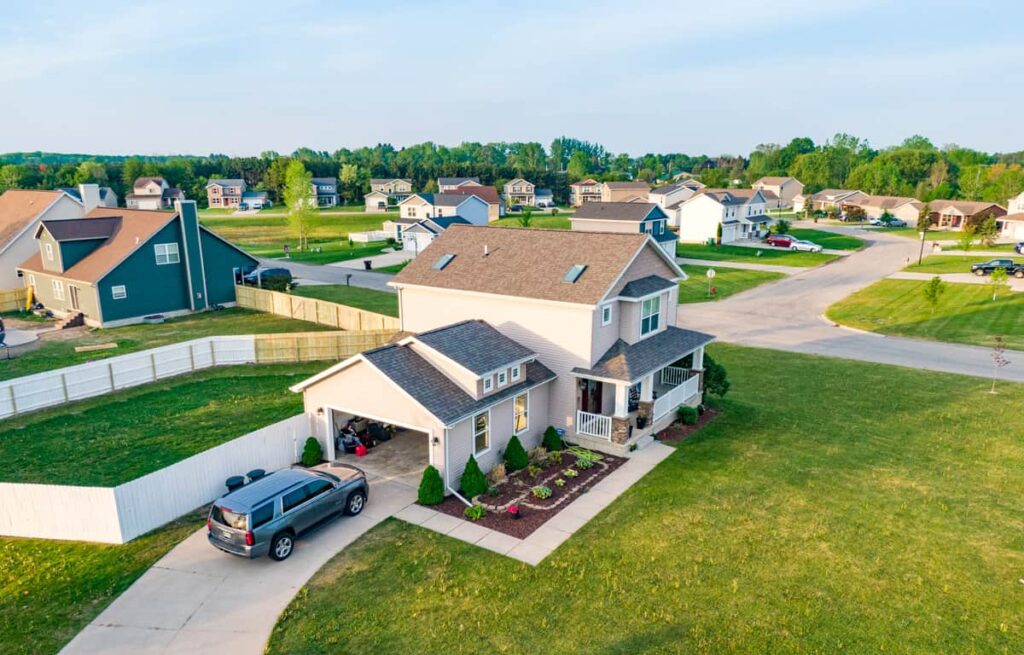
As of December 23, 2025, new federal regulations have taken effect that significantly change the U.S. commercial drone landscape. While this isn’t a blanket prohibition on all drones, it does restrict the future sale and import of many popular models, particularly those manufactured overseas, that can have real implications for real estate marketing.
What’s Actually Happening
The Federal Communications Commission (FCC) updated its regulatory list to include foreign-manufactured unmanned aircraft systems (UAS) and major drone components, citing national security concerns. This effectively blocks future imports and sales of new models that need FCC authorization, especially drones made by dominant manufacturers like DJI and Autel.
Importantly, existing drones that already have FCC approval can still be sold and flown, so a realtor or photographer with a current fleet can keep using those units under standard FAA rules.
Why This Matters for Realtors
Many real estate professionals rely on high-quality aerial photography and video to showcase properties. Drone footage can:
- Highlight property size and layout
- Show location context (e.g., proximity to parks, schools, amenities)
- Elevate online listings above competition
If new drones become harder to find and replacement parts and accessories become scarce, realtors could see slower turn-around times and increased costs for aerial content.
Potential Short-Term Impacts
1. Limited Hardware Availability
Retailers may run out of inventory of popular drones, and manufacturers may pause or reduce shipments due to regulatory uncertainty. Fewer options could translate to increased prices or longer wait times for new units.
2. Pressure on Older Equipment
As stock dwindles, existing drones may need more frequent repairs and part replacements. Realtors and photographers could be forced to plan shoots further in advance to ensure availability.
3. Shift Toward Domestic or Alternative Brands
Some U.S. companies produce drones that aren’t affected by the ban, but many of these alternatives don’t yet match the capabilities or price points of top foreign brands. Client expectations for high-quality aerial shots may outpace what available replacements can deliver immediately.
What You Can Do Now
One of the most practical steps realtors can take is to work with trusted photo and video providers who already own and maintain compliant aerial equipment. Established professionals have invested in properly registered drones, understand FAA and local airspace regulations, and have systems in place to keep their equipment operational even as availability tightens. This reduces risk, avoids last-minute cancellations, and ensures aerial media remains a dependable part of your marketing strategy.
It’s also important to educate sellers early about the value and logistics of professional aerial content. As regulations evolve and access to drone services becomes more constrained, aerial photography may require additional planning and coordination. Setting expectations upfront helps clients understand why scheduling aerial shoots earlier in the listing process matters and reinforces the strategic advantage of using high-quality visuals to attract buyers and drive stronger offers.